
TL;DR

Get business pricing on tech for your team
- Business-only prices and quantity discounts
- Tax-exempt purchasing
- Multiple users, one account, clear invoices
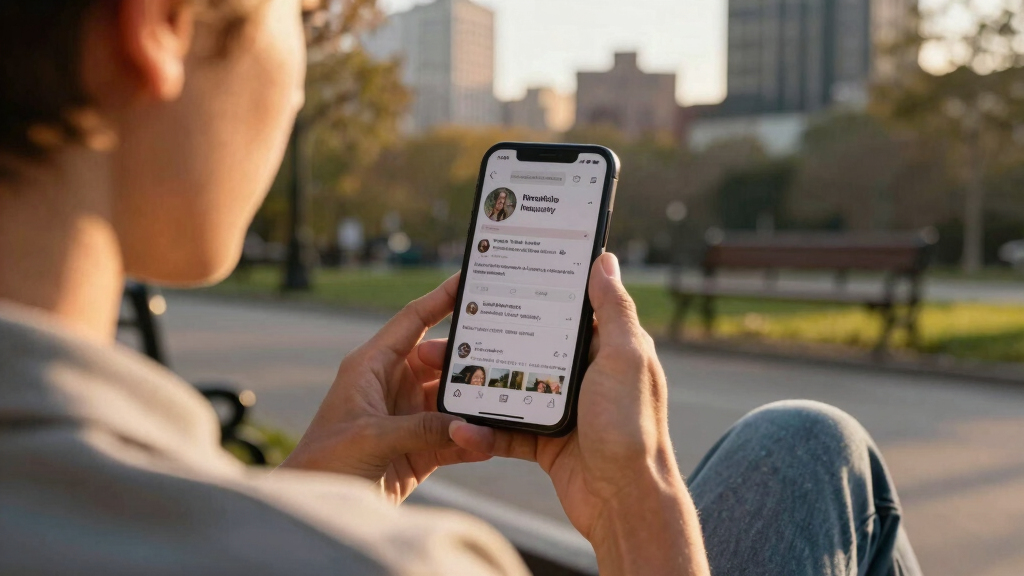
The subreddit r/almosthomeless has seen a surge in members sharing experiences of near homelessness, illustrating the widening wealth gap in the US. This online community offers insight into the personal toll of economic inequality.
Reddit’s r/almosthomeless has experienced a significant increase in membership, with the subscriber count rising from 69,000 to 85,000 over the past year. The community offers a space for individuals facing severe financial hardship, often on the brink of homelessness, to share their experiences and seek support. This growth coincides with a period of escalating wealth inequality in the US, where the richest 1 percent control more assets than ever before, intensifying the struggles documented online.
Members of r/almosthomeless describe living in cars, facing eviction, waiting on delayed federal disability payments, and struggling with unemployment. Notable examples include Shaun, who is sleeping in his car in Arizona after completing a detox program, and Scotty, who travels in a decommissioned ambulance across New England after fleeing an abusive relationship. Many users express that the subreddit helps them realize they are not alone and provides practical advice for navigating their circumstances, such as local resource tips and safety warnings.
Experts like Margot Kushel from UC San Francisco emphasize that the rise in homelessness is largely driven by skyrocketing rent costs rather than an increase in mental health or substance abuse issues. The community’s growth reflects a broader trend of economic distress, with many users citing prolonged unemployment and systemic barriers as key factors. The stories underscore how the widening wealth gap directly impacts individuals’ ability to secure housing, with the top 1 percent holding assets equivalent to the combined net worth of 90 percent of Americans.
Implications of Wealth Inequality on Housing Stability
The stories shared on r/almosthomeless highlight a critical consequence of rising wealth inequality: the erosion of housing security for middle- and lower-income Americans. As the wealthiest control an increasing share of assets, housing affordability declines, pushing more individuals toward homelessness or near-homelessness. This online community serves as a stark reminder of how economic disparities translate into real human suffering, challenging narratives that frame homelessness as primarily a mental health or addiction issue. The growth of such platforms indicates a societal failure to address the root causes of economic insecurity and affordable housing shortages.
As an affiliate, we earn on qualifying purchases.
Rising Wealth Gap and Its Role in Homelessness Trends
Over the past decade, the US has seen a dramatic increase in wealth concentration among the top 1 percent, with their assets reaching approximately $55 trillion in 2025. Meanwhile, middle- and lower-income households face escalating rent and living costs, with many unable to keep pace. The COVID-19 pandemic exacerbated these issues, leading to widespread job losses and economic instability. Despite public discussions, systemic barriers like high housing costs and stagnant wages continue to drive homelessness. The subreddit r/almosthomeless reflects these broader economic shifts, providing personal insights into how these disparities affect everyday lives.
“What we’re seeing in the numbers of people experiencing homelessness isn’t that we suddenly have this increase in people with mental health or substance use problems. What we have is that the rent is too damn high.”
— Margot Kushel, UC San Francisco
As an affiliate, we earn on qualifying purchases.
Unresolved Questions About the Broader Impact
While the growth of r/almosthomeless indicates increasing hardship, it remains unclear how representative these stories are of the national population. It is also uncertain how policy changes or economic shifts will influence future trends in homelessness and financial distress. Further research is needed to quantify the extent to which online communities reflect broader societal realities and to evaluate the effectiveness of interventions aimed at addressing systemic inequality.As an affiliate, we earn on qualifying purchases.
Monitoring Policy Responses and Community Trends
Expect ongoing discussions around affordable housing, social safety nets, and economic reforms as policymakers respond to rising homelessness. The community on r/almosthomeless is likely to continue growing, serving as a barometer for the lived experiences behind national statistics. Researchers and advocacy groups may analyze these online narratives to better understand the scope of economic hardship and to develop targeted solutions. Future developments could include increased outreach programs, policy shifts, or new funding initiatives aimed at reducing housing insecurity.
portable solar charger for emergencies
As an affiliate, we earn on qualifying purchases.
As an affiliate, we earn on qualifying purchases.
Key Questions
What does the growth of r/almosthomeless indicate about economic conditions?
The increasing membership suggests that more Americans are experiencing severe financial hardship and near-homelessness, reflecting broader economic inequality and housing affordability issues.
Are these online stories representative of the national homelessness crisis?
While they highlight important personal experiences, it is unclear how representative they are of the entire population. Many affected individuals may not participate in online communities.
What policy changes could help address these issues?
Potential solutions include expanding affordable housing programs, increasing social safety nets, and implementing policies to curb rising rent costs and stagnant wages.
How are experts interpreting the rise in homelessness?
Experts like Margot Kushel emphasize that the primary driver is high housing costs, not a sudden increase in mental health or substance abuse problems, highlighting systemic economic issues.
Source: WIRED
Fall Picks
fall essentials
As an affiliate, we earn on qualifying purchases.