

Jobs that depend on emotional intelligence, ethical judgment, and complex decision-making remain safe from automation because current AI can’t replicate these human skills. Roles in counseling, teaching, social work, healthcare, and law often require empathy and moral reasoning that machines can’t handle. Technology limitations and societal or ethical concerns act as safeguards for these jobs. To understand which career paths are more resilient and how to adapt, you’ll find helpful insights if you continue exploring this topic.
Key Takeaways
- Jobs requiring emotional intelligence, empathy, and interpersonal skills are less vulnerable to automation.
- Roles involving complex moral judgment and ethical decision-making remain secure due to AI limitations.
- Tasks demanding nuanced judgment, creativity, or unpredictable problem-solving are less likely to be automated.
- Regulatory and societal norms favor human oversight in sensitive fields like healthcare and law enforcement.
- AI’s developmental constraints protect jobs that depend on moral reasoning and adaptive, context-aware thinking.

Have you ever wondered if automation threatens your job or offers new opportunities? It’s a common concern in today’s rapidly advancing technological landscape. While automation and AI have transformed many industries, not every job faces the same level of risk. Some roles are more resistant because of AI limitations and ethical considerations that restrict how and where automation can be applied. Understanding these factors can help you gauge which jobs are truly safe from automation’s reach.
AI limitations play a significant role in determining job security. Despite rapid advancements, AI still struggles with tasks requiring nuanced judgment, emotional intelligence, and complex problem-solving. For example, jobs that depend heavily on human interaction, empathy, or creative thinking tend to be less vulnerable. Professions like counseling, teaching, and social work involve understanding human emotions and motivations that AI cannot replicate authentically. Additionally, AI systems often lack the flexibility needed for unpredictable or ambiguous situations, limiting their effectiveness in dynamic environments. These limitations mean that roles requiring critical thinking, ethical decision-making, and interpersonal skills are less likely to be replaced by automation soon. Moreover, the current state of AI technology places constraints on its ability to perform tasks that involve moral reasoning and adaptive learning, further protecting these roles.
Ethical considerations also shape the extent to which automation is adopted. Industries face moral questions about replacing humans with machines, especially when it involves sensitive areas such as healthcare, law enforcement, or customer service. For instance, deploying AI in legal or medical decisions raises concerns about accountability, bias, and fairness. Ethical considerations compel companies and regulators to be cautious, often establishing boundaries to preserve human oversight. This creates a natural safeguard for jobs that involve moral judgment or ethical responsibility. As a result, roles that require navigating complex moral landscapes or ensuring ethical standards are maintained tend to remain more secure from automation.
Furthermore, regulatory frameworks and societal norms influence automation’s spread. Governments and organizations weigh the societal impact of replacing human workers with machines, especially when it could lead to job displacement or widen inequality. This often results in policies that favor human labor in certain sectors, reinforcing job security for specific roles. For example, jobs that involve trust, confidentiality, or ethical judgment, like social work or counseling, are less likely to be automated due to these considerations.
In essence, your job’s vulnerability to automation isn’t solely based on technological progress but also on the AI limitations and ethical considerations that shape its deployment. Roles demanding emotional intelligence, moral judgment, and complex decision-making are likely to remain human-centric for the foreseeable future. Recognizing these factors can help you better understand where your job stands and how to adapt in an era of rapid technological change.

52 Essential Emotional Intelligence Training – Relationship Skills Card Game for Empathy, Trust Building Activities, Conversation Starters, Team Icebreaker Tools – By Harvard Researcher
- Featured in Major Publications: Includes Forbes, CNBC, Business Insider, PopSugar
- Enhances Emotional Intelligence: Boosts self-awareness, self-management, social skills
- Versatile for All Relationships: Ideal for couples, friends, colleagues
As an affiliate, we earn on qualifying purchases.
As an affiliate, we earn on qualifying purchases.
Frequently Asked Questions
How Do Emerging AI Technologies Affect Job Security Forecasts?
Emerging AI technologies directly impact job security forecasts by accelerating job displacement in certain sectors, especially where tasks are repetitive or easily automated. You should stay informed about AI ethics, as responsible development can mitigate negative effects. By continuously updating your skills and embracing roles that require human judgment, you can better protect your job from automation’s threat and adapt to the evolving job landscape.
Are There Regional Differences in Automation Susceptibility?
Yes, regional disparities and industry variations substantially influence automation susceptibility. In areas with strong manufacturing or tech sectors, jobs face higher automation risks. Conversely, regions with dominant service industries or creative fields tend to be less vulnerable. You should consider these differences when evaluating job security, as local economic structures and industry demands shape how automation impacts employment opportunities. Stay informed about regional trends to better plan your career resilience.
What Skills Make a Job Less Vulnerable to Automation?
You’re less vulnerable to automation if your job requires manual dexterity and creative thinking. These skills are hard for machines to replicate, so roles involving precise physical work or innovative problem-solving are safer. Focus on developing hands-on skills and thinking outside the box, as automation struggles with tasks that need fine motor skills or unique human insights. Emphasizing these abilities makes your job more resilient to technological advances.
How Can Workers Prepare for Automation Impacts?
Imagine your future job vanishing overnight—scary, right? To stay ahead, you need to focus on workforce reskilling and boosting your job adaptability. Embrace continuous learning, develop tech-savvy skills, and stay flexible in your career path. By proactively upgrading your abilities, you won’t just survive automation—you’ll thrive amid change, turning uncertainty into opportunity. The key is to adapt before automation makes your current role obsolete.
Will Remote Jobs Be More or Less Secure From Automation?
Remote work can offer more job stability because it often involves tasks that require human judgment, creativity, and interpersonal skills, making automation less likely. However, some remote jobs may still face automation risks if they involve repetitive tasks. To stay secure, focus on developing skills that complement technology and emphasize your unique human qualities. This way, you’ll enhance your resilience against automation’s impact on remote work positions.

Ethical Leadership and Decision Making in Education
As an affiliate, we earn on qualifying purchases.
As an affiliate, we earn on qualifying purchases.
Conclusion
Remember, roles rooted in relatability, reasoning, and real-world interaction remain resilient. Embrace areas where empathy and expertise excel, avoiding automation’s advancing approach. Focus on fields fostering personal connections and creative cognition, because where human touch and heartfelt understanding happen, automation’s grasp weakens. Stay steadfast, stay strategic, and steer your skills toward sectors that sustain your security, shielding you from the shadows of synthetic substitute. Protect your profession by prioritizing passion, purpose, and personal presence.

Mind Brain Emotion 52 Essential Social Skills Lessons & Teaching Tool Kit – Social Emotional Learning Activities for Parents, Teachers, School Counselor (Kindergarten, Elementary Kids)
- Award-Winning Social Stories: Created by Harvard educator for kids' confidence
- Enhances Social & Emotional Skills: For preschool to elementary children
- Includes Online Curriculum: For home and classroom use
As an affiliate, we earn on qualifying purchases.
As an affiliate, we earn on qualifying purchases.
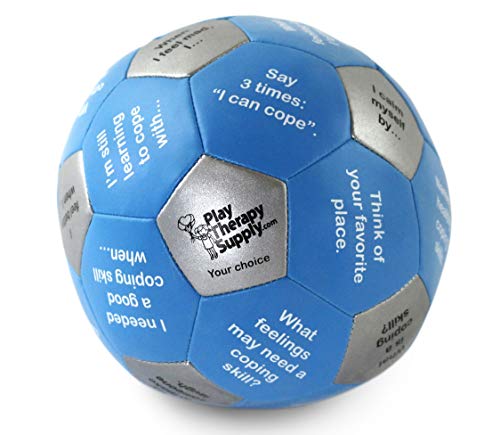
The Coping Skills Thumball: The Fun Group Activity for Teaching and Learning How to Cope with Anxiety, Depression, ADHD, Anger, Stress, Substance Abuse, Negative Thinking, Anger, and more
- Develops Healthy Coping Skills: Learn coping strategies from others
- Suitable for All Group Sizes: Engage groups of any size
- Interactive and Fun: Supports and educates through play
As an affiliate, we earn on qualifying purchases.
As an affiliate, we earn on qualifying purchases.