
AI voice cloning software guides can help you choose a workflow, but these 12 books and handbooks are educational resources—not cloning platforms themselves. My best overall pick is The Computer Has My Voice for its broad treatment of voice cloning and speech generation, while AI Voice Cloning with Python stands out for readers who want to build locally and Clone Your Voice: Easy, No Studio suits a less technical starting point. The main tradeoff is breadth versus practical depth: a wide guide can orient you, while a focused tutorial may better fit one tool or workflow. I compare the titles by audience fit, scope, and how clearly their stated topics match common learning goals. Read on for the full breakdown and a guide to choosing the right resource.

Get business pricing on tech for your team
- Business-only prices and quantity discounts
- Tax-exempt purchasing
- Multiple users, one account, clear invoices
Key Takeaways
- The Computer Has My Voice has the broadest stated scope, spanning cloning, speech generation, and turning written words into audio.
- AI Voice Cloning with Python is the clearest fit for readers whose goal is a local, build-and-deploy project rather than a tool overview.
- Several titles focus on ElevenLabs, so their value depends on whether you want a platform-specific walkthrough or a broader view of voice cloning.
- Clone Your Voice: Easy, No Studio signals a lower-friction learning path, while the developer and Python titles point toward more technical work.
- The roundup includes guides and books, not software products; readers who need a working cloning service should verify platform access, features, and consent rules separately.
| Audio AI for Beginners: Generative AI for Voice Recognition, TTS, Voice Cloning, and More |  | Best for Understanding the Wider Audio-AI Landscape | Format: Book | Audience: Beginners | Subject: Generative AI for audio | VIEW LATEST PRICE | See Our Full Breakdown |
| ElevenLabs for Beginners 2026: A Step-by-Step Guide to AI Voice Generation |  | Best for Beginner Creator Workflows | Format: Book | Audience: Beginners | Platform focus: ElevenLabs | VIEW LATEST PRICE | See Our Full Breakdown |
| AI Voice for Developers: A Practical Guide to AI Transcription, Speech Interfaces, and Audio Pipelines |  | Best for Voice-Enabled Application Developers | Format: Book | Audience: Developers | Topics: AI transcription, speech interfaces, and audio pipelines | VIEW LATEST PRICE | See Our Full Breakdown |
| AI Voice Cloning with Python: Build and Deploy a Local Voice Cloning Engine | 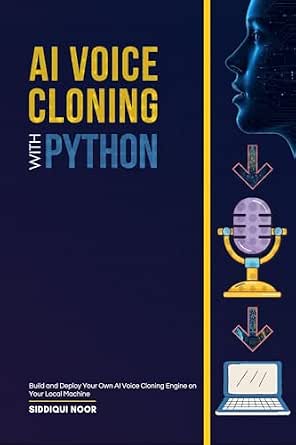 | Best for Local Python-Based Cloning | Format: Book | Topic: AI voice cloning | Programming language: Python | VIEW LATEST PRICE | See Our Full Breakdown |
| ElevenLabs: A Guide to AI Voice Generation and Cloning |  | Best for Exploring the Wider ElevenLabs Toolkit | Format: Not specified | Intended audience: Creators and developers | Platform focus: ElevenLabs | VIEW LATEST PRICE | See Our Full Breakdown |
| AI Voice Cloning: The Complete Guide to ElevenLabs and Beyond |  | Best for Comparing Voice-Cloning Tools | Format: Guide | Primary subject: AI voice cloning | Featured platform: ElevenLabs | VIEW LATEST PRICE | See Our Full Breakdown |
| ElevenLabs 2026 Handbook: A Step-by-Step Guide to AI Voice Generation and Content Creation |  | Best for Voice-to-Content Workflows | Subject: AI voice generation | Primary platform: ElevenLabs | Topics: Voice cloning, text-to-speech, audiobook narration, podcast production, content creation | VIEW LATEST PRICE | See Our Full Breakdown |
| Clone Your Voice: Easy, No Studio: The Weekend Guide to AI Voice Cloning |  | Best for a Low-Setup First Attempt | Format: Weekend guide | Primary subject: AI voice cloning | Voice focus: Cloning your own voice | VIEW LATEST PRICE | See Our Full Breakdown |
| AI for Caveman: Build Your Own Forge |  | Best for Local AI Setup Explorers | Usage: Run AI tools locally | AI tools mentioned: Large language models (LLMs), Stable Diffusion, voice-cloning tools | Voice-cloning focus: One component of a broader local AI setup | VIEW LATEST PRICE | See Our Full Breakdown |
| The Computer Has My Voice: An Independent Guide to Voice Cloning, Speech Generation, and Turning Written Words into Audio | 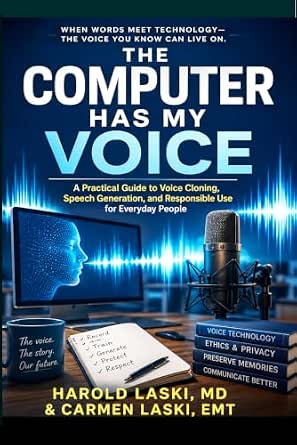 | Best for Text-to-Speech Fundamentals | Format: Independent guide | Primary topics: Voice cloning and speech generation | Text-to-audio coverage: Turning written words into audio | VIEW LATEST PRICE | See Our Full Breakdown |
| Suno AI Music Bible: A Guide to Prompt Engineering, Suno Studio, Voice Cloning, and Building an AI Music Career |  | Best for AI Music Creators | Product type: Book | Topics: Prompt engineering, Suno Studio, voice cloning, and AI music careers | Platforms mentioned: Spotify and TikTok | VIEW LATEST PRICE | See Our Full Breakdown |
| The Complete Guide to ElevenLabs: AI Voice and Audio Creation |  | Best for ElevenLabs-Focused Learning | Product type: Guide | Platform: ElevenLabs | Stated topics: AI voice and audio creation | VIEW LATEST PRICE | See Our Full Breakdown |
| AI voice cloning software | Format | Topics |
|---|---|---|
| Audio AI for Beginners: Genera | Book | Voice recognition, text-to-speech, voice cloning, and related audio topics |
| ElevenLabs for Beginners 2026: | Book | AI voice generation, voice cloning, audiobooks, podcasts, dubbing, and voice agents |
| AI Voice for Developers: A Pra | Book | AI transcription, speech interfaces, and audio pipelines |
| AI Voice Cloning with Python: | Book | — |
| ElevenLabs: A Guide to AI Voic | Not specified | Text-to-speech, voice design, Scribe transcription, dubbing, and Eleven Music |
| AI Voice Cloning: The Complete | Guide | — |
| ElevenLabs 2026 Handbook: A St | — | Voice cloning, text-to-speech, audiobook narration, podcast production, content creation |
| Clone Your Voice: Easy | Weekend guide | — |
| AI for Caveman: Build Your Own | — | — |
| The Computer Has My Voice: An | Independent guide | — |
| Suno AI Music Bible: A Guide t | — | Prompt engineering, Suno Studio, voice cloning, and AI music careers |
| The Complete Guide to ElevenLa | — | — |
More Details on Our Top Picks
Audio AI for Beginners: Generative AI for Voice Recognition, TTS, Voice Cloning, and More
Audio AI for Beginners is the broadest starting point in this group for readers who want voice cloning explained alongside other audio applications. Its stated coverage includes voice recognition, text-to-speech, and voice cloning, so it may help beginners understand how these tools relate rather than focusing on one platform. Compared with ElevenLabs for Beginners 2026, it appears less tied to a single service and more oriented toward the wider field. That breadth suits readers still deciding what kind of audio workflow they need, but it also means the supplied information does not establish how much practical cloning instruction the book provides. The source gives no detail about technical level or depth, so buyers seeking a proven step-by-step setup should favor a guide with a clearly specified workflow.
Pros:- Covers voice cloning within a broader generative-audio introduction
- Includes voice recognition and text-to-speech topics
- May help readers compare different audio-AI applications
Cons:- The supplied description does not establish the depth of its cloning instruction
- No technical prerequisites or intended background are specified
- No specific software, models, or hands-on projects are identified
Best for: Newcomers who want an introduction to voice cloning alongside speech recognition and text-to-speech before choosing tools.
Not ideal for: Readers who need a detailed, verified build tutorial, platform-specific instructions, or a stated technical level.
- Format:Book
- Audience:Beginners
- Subject:Generative AI for audio
- Topics:Voice recognition, text-to-speech, voice cloning, and related audio topics
- Voice cloning coverage:Included
- Technical level:Not specified
Our verdict“Choose this if you want a broad beginner introduction to audio AI, but pick a more explicitly practical guide if your main goal is building a voice clone.”
ElevenLabs for Beginners 2026: A Step-by-Step Guide to AI Voice Generation
ElevenLabs for Beginners 2026 is aimed at readers who want to apply one voice-generation service across several creative formats. The listed subjects include voice cloning, audiobooks, podcasts, dubbing, and voice agents, giving content creators a wider workflow map than a cloning-only tutorial. Compared with Audio AI for Beginners, this guide is more platform-specific; that focus can make it easier to follow when ElevenLabs is already the intended tool, while offering less context on other audio-AI approaches. The title promises a step-by-step guide, but the supplied details do not identify its exact procedures, prerequisites, or depth. Its broad use-case coverage is useful for planning projects, though readers who want to build and deploy a local engine may find AI Voice Cloning with Python more relevant.
Pros:- Covers voice cloning alongside several creator workflows
- Includes audiobooks, podcasts, and dubbing
- Addresses voice agents as well as generated audio
- The title frames the material as step by step
Cons:- The supplied details do not specify technical depth or prerequisites
- Its ElevenLabs focus may be limiting for readers comparing platforms
- No specific cloning methods or project examples are identified
Best for: First-time ElevenLabs users who make podcasts, audiobooks, dubbed content, or other creator-led audio.
Not ideal for: Developers seeking local model deployment or buyers who want a platform-neutral comparison of voice-cloning systems.
- Format:Book
- Audience:Beginners
- Platform focus:ElevenLabs
- Guide approach:Step-by-step, as stated in the title
- Topics:AI voice generation, voice cloning, audiobooks, podcasts, dubbing, and voice agents
- Year in title:2026
Our verdict“Pick this if you are a beginner planning creator projects inside ElevenLabs, rather than a developer looking for local cloning infrastructure.”
AI Voice for Developers: A Practical Guide to AI Transcription, Speech Interfaces, and Audio Pipelines
AI Voice for Developers takes a software-building angle rather than treating voice cloning as a standalone creator feature. Its stated focus—transcription, speech interfaces, and audio pipelines—is relevant to developers connecting audio functions into applications, but the description does not confirm that voice cloning itself receives substantial coverage. Compared with AI Voice Cloning with Python, this guide appears broader across voice-system components and less specifically centered on building a clone. That distinction matters: it may suit someone designing a speech-enabled product, while the Python book is the clearer match for local synthesis and deployment. The available information names the topics and book format but gives no chapter detail, examples, or technical requirements, so buyers should not assume a particular implementation depth.
Pros:- Focuses on practical voice technology areas relevant to software projects
- Covers transcription and speech interfaces
- Includes audio pipelines, which connect audio components into applications
Cons:- Voice cloning coverage is not specified in the supplied description
- No implementation examples or supported tools are identified
- Technical prerequisites and content depth are not provided
Best for: Software developers planning transcription features, speech interfaces, or audio pipelines and seeking a broad technical orientation.
Not ideal for: Readers whose main requirement is a hands-on voice-cloning build, since the supplied description does not identify cloning as a topic.
- Format:Book
- Audience:Developers
- Topics:AI transcription, speech interfaces, and audio pipelines
- Technical focus:AI voice development
- Voice cloning coverage:Not specified
- Implementation details:Not specified
Our verdict“Choose this for broader voice-feature development; choose the Python cloning guide if your project specifically requires building and deploying a clone.”
AI Voice Cloning with Python: Build and Deploy a Local Voice Cloning Engine
AI Voice Cloning with Python is the most directly build-focused option in this batch: its stated aim is to create and deploy a local voice-cloning engine. Coverage of speech synthesis, model setup, debugging, and Docker deployment points toward a workflow that may help technically minded readers move from configuration to a running system. That makes it a sharper fit for independent implementation than ElevenLabs for Beginners 2026, which centers on workflows within a hosted platform. Local deployment offers a different kind of control, but it can also bring setup and troubleshooting work that a service-based guide avoids. The description does not name supported models or system requirements, leaving buyers unable to check hardware or compatibility before choosing it.
Pros:- Directly focuses on building a voice-cloning engine
- Covers speech synthesis and model setup
- Includes debugging guidance
- Addresses Docker deployment for a local workflow
Cons:- Supported models are not specified
- System requirements and hardware needs are not specified
- A local Python and Docker workflow may demand more setup than a hosted service
Best for: Python developers who want to set up, debug, and deploy a local voice-cloning engine, including through Docker.
Not ideal for: Nontechnical creators seeking a ready-to-use hosted workflow or developers who need confirmed model and hardware compatibility before buying.
- Format:Book
- Topic:AI voice cloning
- Programming language:Python
- Deployment:Docker
- Engine approach:Local voice-cloning engine
- Additional coverage:Speech synthesis, model setup, and debugging
- Supported models:Not specified
Our verdict“Pick this if you can work with Python and want a local deployment path; choose an ElevenLabs guide for a service-centered creator workflow.”
ElevenLabs: A Guide to AI Voice Generation and Cloning
ElevenLabs: A Guide to AI Voice Generation and Cloning suits readers who want to explore several parts of one audio platform, not just clone a voice. Its stated topics span text-to-speech, voice design, Scribe transcription, dubbing, and Eleven Music, making it broader across the ElevenLabs toolkit than ElevenLabs for Beginners 2026, whose listed applications emphasize audiobooks, podcasts, and voice agents. That breadth may help creators and developers think through connected audio workflows, although the supplied information does not say how deeply the book treats cloning itself. The format, length, and level of detail are also unspecified, so it is harder to judge whether the material is a quick orientation or a hands-on manual. Readers needing a clear build-and-deploy path may prefer AI Voice Cloning with Python.
Pros:- Covers voice cloning alongside several ElevenLabs audio tools
- Includes text-to-speech and voice design
- Adds Scribe transcription, dubbing, and Eleven Music
- Intended for both creators and developers
Cons:- The supplied data does not specify the book’s format or length
- Technical level and depth of voice-cloning instruction are unclear
- Its focus on ElevenLabs offers limited guidance on other platforms
Best for: Creators and developers who want an overview of voice generation, cloning, transcription, dubbing, and music tools within ElevenLabs.
Not ideal for: Buyers seeking a clearly scoped, step-by-step cloning tutorial or a guide with confirmed format, length, and technical depth.
- Format:Not specified
- Intended audience:Creators and developers
- Platform focus:ElevenLabs
- Topics:Text-to-speech, voice design, Scribe transcription, dubbing, and Eleven Music
- Voice cloning coverage:Included
- Length:Not specified
- Technical level:Not specified
Our verdict“Choose this for a broad tour of ElevenLabs audio tools, but favor the Python guide when your priority is a defined local cloning build.”
AI Voice Cloning: The Complete Guide to ElevenLabs and Beyond
This guide is the clearest fit for readers who want to explore ElevenLabs alongside related tools rather than focus on a single platform. That broader framing may help buyers compare approaches before settling on a workflow, unlike ElevenLabs 2026 Handbook, which centers on one service and its content-creation uses. The title promises a complete guide, but the available description does not identify specific tools beyond ElevenLabs, explain the level of technical detail, or confirm whether it includes setup steps. I would treat it as a potentially useful orientation, not a substitute for documented software specifications or hands-on instructions. Its main tradeoff is that the scope sounds broad while the supplied details are sparse, so readers seeking a precise tutorial may prefer a guide with stated workflows.
Pros:- Focuses directly on AI voice cloning
- Names ElevenLabs as a central subject
- Signals coverage of related tools beyond one platform
Cons:- The supplied description does not name the related tools
- No specific workflows, technical requirements, or experience level are given
Best for: Readers comparing ElevenLabs with other voice-cloning tools before choosing a platform
Not ideal for: Buyers who need confirmed setup instructions, named alternative tools, or detailed technical requirements
- Format:Guide
- Primary subject:AI voice cloning
- Featured platform:ElevenLabs
- Additional coverage:Related tools
- Detailed tool list:Not provided
- Technical requirements:Not provided
Our verdict“Choose this as a broad starting point for comparing voice-cloning options, but not as a confirmed step-by-step manual.”
ElevenLabs 2026 Handbook: A Step-by-Step Guide to AI Voice Generation and Content Creation
This handbook stands out for connecting ElevenLabs voice generation and cloning to finished audio projects. Its stated coverage of audiobooks, podcasts, and content creation gives it a more production-oriented focus than Clone Your Voice: Easy, No Studio, which is framed around getting started with voice cloning without a studio. That breadth can help creators think beyond generating a sample and toward using synthetic speech in a repeatable publishing workflow. The tradeoff is platform focus: readers seeking comparisons across multiple services or guidance for local voice-cloning tools may find the scope narrow. The supplied details also do not specify required technical skill or the exact depth of its step-by-step lessons. I would favor it when the goal is to connect voice features with common audio formats, not when platform independence is the priority.
Pros:- Covers voice cloning and text-to-speech
- Connects AI voice generation to audiobook narration
- Includes podcast production and broader content-creation topics
Cons:- Centers on ElevenLabs rather than comparing a range of platforms
- The supplied information does not detail technical prerequisites or lesson depth
Best for: Creators planning to use ElevenLabs for narration, podcast production, or other spoken-word content
Not ideal for: Readers who want a platform-neutral comparison or instructions for running voice-cloning tools locally
- Subject:AI voice generation
- Primary platform:ElevenLabs
- Topics:Voice cloning, text-to-speech, audiobook narration, podcast production, content creation
- Approach:Step-by-step handbook
- Publication year:2026
- Technical requirements:Not provided
Our verdict“Pick this handbook if your aim is to turn ElevenLabs voice tools into audiobook, podcast, or other content workflows.”
Clone Your Voice: Easy, No Studio: The Weekend Guide to AI Voice Cloning
The strongest signal here is accessibility: this is presented as a weekend guide to cloning your own voice without a studio. That makes it a more approachable-sounding entry point than AI for Caveman: Build Your Own Forge, whose title points toward a local AI setup spanning several tool types. A no-studio premise may appeal to creators who want to explore voice cloning without recording-room equipment, though the supplied description does not clarify what software, audio setup, or technical skills are still needed. The short-format promise suggests a bounded introduction, not necessarily the breadth of the ElevenLabs 2026 Handbook, which also covers text-to-speech and content-production workflows. I would choose this for a focused first attempt, while treating its practical requirements and depth as unknown until more details are available.
Pros:- Keeps the subject focused on AI voice cloning
- Presents a no-studio approach
- Frames the material as a weekend starting guide
Cons:- The supplied description does not identify software or recording requirements
- The guide’s depth and specific steps are not described
Best for: First-time creators who want a focused introduction to cloning their own voice without studio equipment
Not ideal for: Readers who need confirmed software instructions, local deployment guidance, or coverage of broader audio-production workflows
- Format:Weekend guide
- Primary subject:AI voice cloning
- Voice focus:Cloning your own voice
- Studio requirement:Presented as not requiring a studio
- Software details:Not provided
- Technical requirements:Not provided
Our verdict“Choose this for a focused, low-studio-barrier introduction, provided you do not need confirmed technical instructions.”
AI for Caveman: Build Your Own Forge
This is the most technically oriented option in the group by apparent scope: its title and description point to building a local AI setup for language models, image generation, and voice-cloning tools. That makes it distinct from The Computer Has My Voice, which focuses on voice cloning and turning text into audio rather than a broader local AI environment. The local emphasis may appeal to readers who want to run tools on their own machine, but the supplied information does not identify hardware needs, installation steps, supported voice-cloning software, or whether the guide explains the audio workflow in depth. Because voice cloning is only one part of a wider toolset, this is not the most direct pick for someone who simply wants to generate a cloned voice. I would choose it when the local setup itself is the project.
Pros:- Focuses on running AI tools locally
- Includes voice-cloning tools within a broader AI setup
- Also references large language models and Stable Diffusion
Cons:- Voice cloning is one topic among several rather than the sole focus
- The supplied description gives no hardware, installation, or compatibility details
Best for: Technically curious readers aiming to run voice-cloning tools alongside other AI software on a local machine
Not ideal for: Readers seeking a focused voice-cloning tutorial or a clearly documented list of hardware and software requirements
- Usage:Run AI tools locally
- AI tools mentioned:Large language models (LLMs), Stable Diffusion, voice-cloning tools
- Voice-cloning focus:One component of a broader local AI setup
- Hardware requirements:Not provided
- Installation details:Not provided
- Compatibility details:Not provided
Our verdict“Choose this if building a local AI environment matters as much as voice cloning; skip it for a dedicated cloning walkthrough.”
The Computer Has My Voice: An Independent Guide to Voice Cloning, Speech Generation, and Turning Written Words into Audio
This independent guide is a good match for readers interested in the connection between voice cloning, speech generation, and written text becoming audio. That framing is broader than a cloning-only introduction such as Clone Your Voice: Easy, No Studio, while remaining more directly focused on voice and speech than AI for Caveman: Build Your Own Forge. The emphasis on turning words into audio may help writers and creators understand how synthetic speech fits into an output workflow, not just how to reproduce a voice. The tradeoff is that the supplied description does not name platforms, provide a step-by-step format, or clarify technical depth. Readers who need specific ElevenLabs instructions may prefer the ElevenLabs 2026 Handbook; those seeking a platform-independent conceptual guide may find this title’s stated scope more relevant.
Pros:- Covers both voice cloning and speech generation
- Addresses turning written words into audio
- Presented as an independent guide rather than a named platform handbook
Cons:- The supplied description does not identify supported software
- Specific workflows, technical requirements, and level of detail are not provided
Best for: Writers and audio creators seeking an independent introduction to voice cloning and converting text into speech
Not ideal for: Readers who need named software tutorials, confirmed setup steps, or a detailed platform-specific workflow
- Format:Independent guide
- Primary topics:Voice cloning and speech generation
- Text-to-audio coverage:Turning written words into audio
- Named platforms:Not provided
- Technical requirements:Not provided
- Tutorial format:Not provided
Our verdict“Choose this for a broad, independent look at voice cloning and text-to-audio, not for platform-specific instructions.”
Suno AI Music Bible: A Guide to Prompt Engineering, Suno Studio, Voice Cloning, and Building an AI Music Career
For voice cloning within a wider AI music workflow, this handbook covers Suno prompt engineering, Suno Studio, and voice cloning, then extends into career-building on Spotify and TikTok. That broader scope sets it apart from The Complete Guide to ElevenLabs: AI Voice and Audio Creation, which focuses on a specific voice-and-audio platform. If your goal is to connect voice experiments with music production and publishing plans, the Suno-centered approach offers more relevant context.
The tradeoff is focus: this is not presented as a dedicated voice-cloning manual, and the product details do not specify its format or length. Buyers seeking detailed instructions for a particular cloning workflow may prefer a more narrowly focused guide, such as ElevenLabs for Beginners 2026. Its stated update reference to v5.5 and beyond may also matter to readers following Suno changes, but the scope still suits music makers more than general voice-cloning learners.
Pros:- Brings prompt engineering, Suno Studio, and voice cloning together in one music-focused handbook
- Connects AI music creation with career-building topics for Spotify and TikTok
- References Suno v5.5 and beyond, giving the guide a stated version focus
Cons:- Voice cloning is one topic among several, rather than the sole subject
- The product information does not specify format or length
- The Suno focus may not suit readers who want a guide centered on another voice platform
Best for: Independent AI music creators who want voice-cloning coverage alongside Suno workflow and guidance on publishing or building an audience on Spotify and TikTok
Not ideal for: Readers seeking a focused, platform-specific voice-cloning tutorial or developers building a voice-cloning system; the available description centers on Suno music creation and does not detail technical depth
- Product type:Book
- Topics:Prompt engineering, Suno Studio, voice cloning, and AI music careers
- Platforms mentioned:Spotify and TikTok
- Version reference:Updated for v5.5 and beyond
- Collection:AI Guide Handbook collection
- Voice-cloning focus:Covered within a wider AI music creation guide
Our verdict“Choose this handbook if you want voice-cloning guidance as part of a broader Suno music and creator-career workflow, not as a standalone cloning course.”
The Complete Guide to ElevenLabs: AI Voice and Audio Creation
This guide’s clearest advantage is its platform focus: it is about ElevenLabs for AI voice and audio creation, making it a more direct fit for readers who have already chosen that tool than the broader Suno AI Music Bible. Its title also signals a wider audio-creation remit, rather than voice cloning alone. That could suit someone wanting to learn about the platform’s role in a general audio workflow, but the available product details do not identify specific lessons, features, or experience level.
That lack of detail is the main tradeoff. Unlike ElevenLabs for Beginners 2026, whose title explicitly promises a step-by-step beginner approach, this guide does not state how its instruction is structured. Nor does the description confirm coverage of voice cloning specifically, despite the roundup’s focus. I would treat it as a potentially relevant ElevenLabs resource, not assume it provides a complete cloning tutorial without more information.
Pros:- Centers on ElevenLabs rather than covering several unrelated AI voice platforms
- Addresses both AI voice and audio creation in its stated scope
- May suit readers who want platform-specific guidance instead of a broad AI music handbook
Cons:- The description provides no details about chapters, workflows, or specific features covered
- Voice cloning is not explicitly confirmed in the available product information
- The intended skill level and instructional format are unspecified
Best for: Readers who have settled on ElevenLabs and want a guide to its AI voice and audio creation, provided they can verify that its contents match their skill level and cloning needs
Not ideal for: Buyers who need confirmed, step-by-step voice-cloning instruction or a clearly described beginner curriculum; the available product information gives no lesson details
- Product type:Guide
- Platform:ElevenLabs
- Stated topics:AI voice and audio creation
- Voice-cloning coverage:Not specified in the available product description
- Instructional format:Not specified
- Intended skill level:Not specified
Our verdict“Consider this for an ElevenLabs-centered learning resource, but choose a guide with confirmed cloning lessons if that is your main goal.”
How We Picked
I ranked these titles by how directly their stated subject and format map to distinct buyer goals: learning the basics, following a particular platform, building a technical workflow, or exploring voice cloning alongside adjacent audio tasks. I gave more weight to clear audience cues and useful scope than to broad claims, since the supplied information describes titles but does not establish the contents, edition details, or hands-on software performance.
That approach puts broad, cross-topic resources ahead for readers still comparing directions, with focused guides ranked higher for the audience they serve best. Multiple ElevenLabs titles remain useful for platform-specific learning, but repetition limits their value as general introductions. These are educational resources rather than software services, so I do not rank them on voice quality, licensing terms, interface performance, or subscription value.
| AI voice cloning software | Format | Topics |
|---|---|---|
| Audio AI for Beginners: Genera | Book | Voice recognition, text-to-speech, voice cloning, and related audio topics |
| ElevenLabs for Beginners 2026: | Book | AI voice generation, voice cloning, audiobooks, podcasts, dubbing, and voice agents |
| AI Voice for Developers: A Pra | Book | AI transcription, speech interfaces, and audio pipelines |
| AI Voice Cloning with Python: | Book | — |
| ElevenLabs: A Guide to AI Voic | Not specified | Text-to-speech, voice design, Scribe transcription, dubbing, and Eleven Music |
| AI Voice Cloning: The Complete | Guide | — |
| ElevenLabs 2026 Handbook: A St | — | Voice cloning, text-to-speech, audiobook narration, podcast production, content creation |
| Clone Your Voice: Easy | Weekend guide | — |
| AI for Caveman: Build Your Own | — | — |
| The Computer Has My Voice: An | Independent guide | — |
| Suno AI Music Bible: A Guide t | — | Prompt engineering, Suno Studio, voice cloning, and AI music careers |
| The Complete Guide to ElevenLa | — | — |
Factors to Consider When Choosing AI Voice Cloning Software
Choose a guide based on the task you want to complete, not just the words “voice cloning” in its title. A book can explain a workflow or tool, but it cannot confirm that the software is available, suitable, or authorized for your intended use.
Match the guide to your starting point
Start by deciding whether you need a plain-language overview, a guided platform tutorial, or technical instructions. Beginner-focused material can help you learn the vocabulary before choosing a service, but may leave implementation details unexplored. Developer and Python resources assume more comfort with code and system setup. A common mistake is choosing the most technical-sounding title even when your real need is simply to produce a short voiceover. Check the stated audience and project scope before committing to a learning path. If a guide’s contents are not available to inspect, treat its title as a clue rather than proof of depth.
Separate a software guide from the software itself
These titles are books and guides, not voice cloning applications. A tutorial may describe a particular platform or workflow, but software interfaces, supported features, and access conditions can change after publication. Before relying on instructions, check whether the guide identifies the relevant version and whether the platform still offers the described tools. Avoid assuming that buying a guide includes a software account, voice generation rights, or technical support. For a time-sensitive project, confirm current platform documentation first. Use a book to learn concepts and steps, then validate those steps against the service you plan to use.
Pick breadth or tool-specific depth
A broad guide is useful when you are still comparing speech generation, cloning, transcription, and audio workflows. A title centered on ElevenLabs may be more direct if you have already chosen that platform and want instructions tailored to it. The tradeoff is flexibility: platform-specific learning can save time now but may teach less that transfers elsewhere. Readers who have not selected a service should avoid buying several overlapping guides that cover the same platform. First identify the decisions you need to make, then choose a resource that addresses those decisions. For wider context, pair a focused tutorial with current documentation rather than treating one book as a complete market survey.
Check what “local” or “build your own” entails
Local voice cloning can offer more control over where a workflow runs, but it may require coding, compatible hardware, model setup, and ongoing troubleshooting. A title promising a build-and-deploy project signals a different commitment from a no-studio beginner guide. Before choosing a local route, find out whether you can meet its system requirements and maintain the setup after the initial project. The common mistake is to equate “local” with effortless, private, or automatically inexpensive; those outcomes depend on implementation and usage. If your priority is a quick result, a hosted service may be easier to operate. If control and experimentation matter more, technical learning may justify the extra work.
Treat consent, rights, and disclosure as part of the workflow
Voice cloning raises questions beyond whether a generated voice sounds convincing. Use only voice recordings you have the right and permission to use, and check what the relevant service says about consent, storage, and deletion. For public or commercial work, review the rules that apply to your project and disclose synthetic speech where appropriate. A tutorial about generating audio may not address every legal, ethical, or workplace requirement. Do not assume that access to a recording gives you permission to clone its speaker. Make these checks before collecting samples or publishing generated audio, not after a workflow is already in use.
Frequently Asked Questions
Are these 12 titles AI voice cloning software products?
No. The listed items are books and guides about AI voice, audio workflows, or related tools, not software services. They can help you learn or follow a process, but they do not themselves clone a voice or provide an account. If you need software, compare current services separately by supported languages, voice creation options, usage rights, data handling, and output controls. Check each guide’s publication details before relying on instructions for a current interface.
Which guide should I choose if I have not picked a voice cloning platform?
Start with a broad resource that covers voice cloning alongside speech generation or related audio tasks, rather than a guide tied to one platform. That can help you identify what kind of workflow you need before committing to a particular service. From this roundup, The Computer Has My Voice has the broadest stated scope, while the developer guide is aimed at technical speech systems rather than general platform selection. A broad title does not guarantee a neutral comparison, so check its contents for coverage of alternatives. Confirm current features through platform documentation before making a software decision.
Should I choose an ElevenLabs guide or a Python-focused guide?
Choose an ElevenLabs-focused title if you have selected that platform and want a tool-specific learning path. Choose AI Voice Cloning with Python if your goal is to build and deploy a local engine and you are prepared for coding and setup work. These routes solve different problems, so neither is a universal substitute for the other. A platform guide may be easier to follow but can be less transferable if you later switch services. A local project may offer more implementation control, but its requirements and maintenance burden need checking first.
Can I use a guide to clone someone else’s voice for a project?
A guide explains processes; it does not grant permission to use a person’s voice. Before recording, training, or publishing, get the speaker’s informed permission and review the rules of the software service and the relevant use case. Commercial, public-facing, and impersonation-sensitive projects may carry additional legal or organizational requirements. A book may not cover the full set of obligations for your situation. If permission or rights are unclear, do not create or distribute the clone until you have resolved them.
What should I verify before buying a guide for a current software workflow?
Check the publication date, edition, table of contents, and whether the instructions name a software version. Voice tools can change their interface and features, so older steps may no longer match the service. Look for clear coverage of your actual task, such as voice creation, speech generation, deployment, or audio editing, rather than relying on a broad title alone. Also confirm whether the resource is a beginner explanation or assumes coding knowledge. For details that may have changed, compare the guide with current official documentation before following its steps.
Conclusion
For the best overall learning resource, I would start with The Computer Has My Voice because its stated scope reaches beyond one tool into cloning and speech generation. For the best value in learning coverage, compare its breadth with the more targeted guides you actually need rather than collecting overlapping ElevenLabs titles. For a premium-depth technical project, choose AI Voice Cloning with Python only if building and maintaining a local workflow fits your skills and goals. Beginners are better served by Clone Your Voice: Easy, No Studio or an introductory audio guide, while readers already committed to ElevenLabs should pick one focused handbook instead of several near-overlapping options. For developer speech pipelines, choose AI Voice for Developers; for AI music workflows, the Suno AI Music Bible is the specific fit. These recommendations are for learning resources, so verify software, rights, and current features separately before starting a cloning project.