
Despite technological progress that promises more free time, you probably aren’t working less. Devices like smartphones and work apps blur the line between work and leisure, making you feel constantly connected and expected to respond immediately. Societal pressures and workplace norms push for longer hours, sidelining genuine leisure. The elusive “leisure society” remains out of reach because these challenges persist — but exploring solutions can reveal how to shift towards a more balanced life.
Key Takeaways
- Technological advancements intended to reduce work hours often lead to increased connectivity and longer work demands.
- Societal and economic pressures prioritize productivity and overtime, undermining efforts for genuine leisure time.
- The normalization of being “always on” blurs boundaries, making rest and leisure difficult to achieve.
- Systemic workplace norms and cultural expectations hinder the transition toward a true leisure society.
- Conscious boundary-setting and societal change are necessary to transform leisure from a distant ideal into reality.

The Leisure Society is a cultural movement that emphasizes the importance of free time and personal well-being in modern life. You might think that with all our technological advancements, we’d naturally be working less and enjoying more leisure. But the reality is more complex. Technology has transformed how we work, blurring the lines between office and home, making it easier to stay connected 24/7. While these innovations have the potential to improve work-life balance, they often lead to the opposite effect. Instead of freeing up more time, you might find yourself constantly reachable, feeling the pressure to respond immediately to emails or messages outside of traditional hours.
Technology blurs work-life boundaries, making us constantly reachable and increasing stress instead of freeing up leisure time.
This constant connectivity can make it seem like you’re perpetually on call, eroding the boundary between work and personal life. You may want to relax during your free time, but the omnipresence of smartphones, laptops, and work apps pulls you back into the work mindset. As a result, achieving true work-life balance becomes a challenge. The promise of technological advancements was supposed to give you more control over your schedule, but often, it results in longer work hours and increased stress. It’s a paradox: the tools meant to make your life easier sometimes make it more demanding. Additionally, the normalization of constant availability can diminish the value of leisure as a genuine form of rest and rejuvenation.
Meanwhile, the idea of the Leisure Society suggests that work should not dominate your existence, that leisure and personal fulfillment are equally essential. But societal expectations and economic pressures push you to work harder and longer, making leisure feel like a luxury rather than a right. Companies often reward overtime and constant availability, reinforcing a culture that equates productivity with worth. You might feel guilty or anxious when you try to disconnect, fearing that you’ll fall behind or miss opportunities. This dynamic keeps the dream of a balanced, leisure-filled life just out of reach for many.
Despite the apparent progress in technology and the push for better work-life balance, the true Leisure Society remains elusive. It’s not just about having more free time; it’s about restructuring how work is integrated into your life. Until societal norms shift and workplaces prioritize well-being over relentless productivity, the ideal of working less and enjoying leisure remains a vision rather than reality. So, while technology offers tools that could support a more relaxed existence, it also challenges you to set boundaries in an increasingly connected world. Achieving genuine leisure requires conscious effort and systemic change—something that’s still a work in progress. Recognizing the importance of work-life balance is a crucial step toward making the Leisure Society a reality.
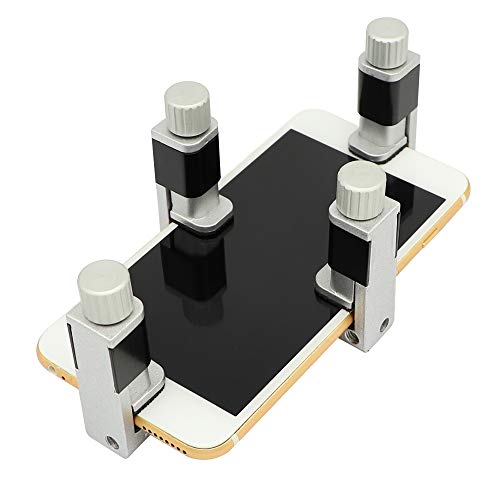
DIYPHONE 4Pcs Phone Screen Repair Tools Adjustable Screen Fastening Clamp Universal Screen Clip Fixture Tools Compatible for iPhone, iPad, Samsung, Computer, Laptops, Tablets, LCD Screen Repair
Adjustable holder for telephone screen opening repair on most mobile phone and tablets
As an affiliate, we earn on qualifying purchases.
As an affiliate, we earn on qualifying purchases.
Frequently Asked Questions
What Historical Factors Have Prevented the Full Realization of a Leisure Society?
Historical class divisions have kept the leisure society out of reach, as wealth and power remain concentrated among the elite, limiting widespread access. Labor union strength has fluctuated, often weakening workers’ bargaining power and delaying reduced work hours. These factors create persistent economic and social inequalities, preventing most people from enjoying more leisure time. Until these issues are addressed, the full realization of a leisure society remains an ongoing challenge.
How Do Economic Disparities Influence Access to Leisure Activities?
You find that economic disparities, like income inequality and social stratification, limit your access to leisure activities. Those with higher income can afford more leisure options, while others face financial barriers. This gap creates unequal opportunities, making a true leisure society difficult to achieve. Social stratification reinforces these divisions, so your ability to enjoy leisure depends largely on your economic status, perpetuating inequality and hindering widespread leisure access.
What Role Does Technology Play in Shaping Modern Leisure Time?
Technology shapes your leisure time more than ever, offering endless virtual worlds and instant entertainment. You can escape with a digital detox or immerse yourself in virtual reality experiences that feel like another universe. Yet, these innovations also trap you in screens, making true relaxation elusive. You wield the power to control your leisure, but beware—tech’s seductive pull can turn leisure into a digital maze, keeping the leisure society just out of reach.
How Do Cultural Attitudes Impact Perceptions of Work and Leisure?
Your cultural attitudes greatly influence how you perceive work and leisure. Cultural norms and societal values shape whether you see leisure as a priority or secondary to work. In some societies, hard work is celebrated, making leisure seem less important, while others value balance. These attitudes affect your behavior, expectations, and how you allocate time, ultimately impacting the pursuit of a true leisure society.
What Policies Could Effectively Promote a Shorter Workweek Globally?
You can promote a shorter workweek globally by implementing policies like Universal Basic Income to support workers and encourage reduced hours. Encouraging flexible scheduling allows employees to balance work and leisure better. Governments should incentivize companies to adopt these policies, fostering a culture that values well-being over relentless productivity. Together, these strategies could help create a more equitable, leisure-friendly society, bringing us closer to the elusive leisure society we aspire to.
work-life balance boundary setting devices
As an affiliate, we earn on qualifying purchases.
As an affiliate, we earn on qualifying purchases.
Conclusion
Imagine trying to catch a butterfly, flicking your hand at it, only to find it’s always just out of reach. That’s how the dream of a leisure society feels—you chase it, but it slips away. Despite advances, we work more hours than ever, and leisure remains elusive. Like that restless butterfly, true leisure continues to flutter just beyond our grasp, reminding us that maybe, just maybe, the pursuit itself is the real challenge.

24 Hour Daily Planner with To Do List for Work & Personal Life,105 Days for Productivity Planner, No Bleed Everyday Planner, Daily Schedule, 6.5 x 9.8
✔1. A time-axis design with precise hourly markings eliminates the need for manual time labeling; start planning the…
As an affiliate, we earn on qualifying purchases.
As an affiliate, we earn on qualifying purchases.

Mindsight 'Original Breathing Buddha' Guided Visual Meditation | 3 Modes to Slow Your Breathing & Calm Your Mind | Stress & Anxiety Relief | Wellness Gift | Adults, Kids, Classrooms | USB Rechargeable
🧠 WHAT IT'S FOR: Daily guided breathing to help calm & focus your mind during the day or…
As an affiliate, we earn on qualifying purchases.
As an affiliate, we earn on qualifying purchases.