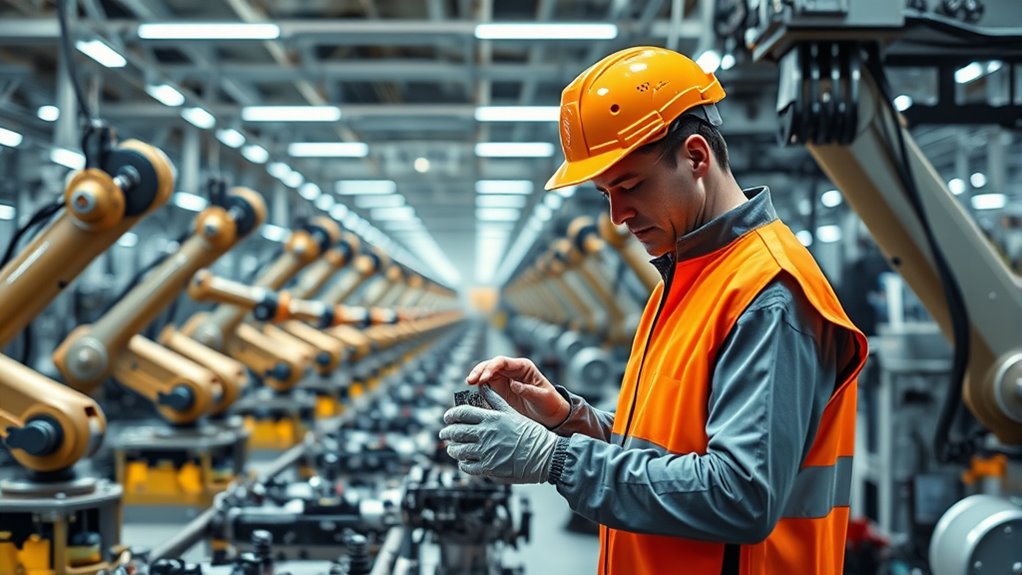

In industries driven by trust and genuine connection, full automation can’t replace the human touch. Your personal interactions, empathy, and emotional intelligence foster loyalty and meaningful experiences that machines simply can’t mimic. From boutique hotels to healthcare, people value warmth and tailored attention. If you want to understand why some sectors prioritize human connection over technology, there’s much more to uncover about the enduring importance of genuine human interactions.
Key Takeaways
- Industries like hospitality and healthcare prioritize emotional intelligence for personalized, empathetic customer interactions automation cannot replicate.
- Human warmth and genuine connection foster trust, loyalty, and memorable experiences that technology alone cannot provide.
- Nuanced understanding of emotional cues enhances service quality, making full automation less desirable in sectors reliant on personal touch.
- Personalized service creates authentic, lasting impressions, emphasizing the irreplaceable value of human efforts over automated solutions.
- Certain industries recognize that technology enhances efficiency but must complement, not replace, human compassion and emotional engagement.
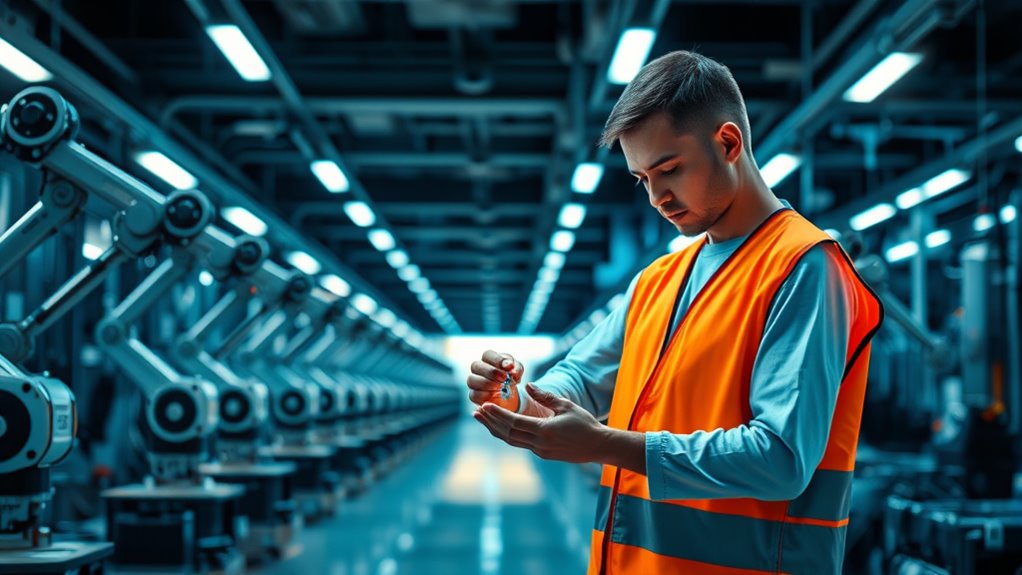
In an era dominated by technology and automation, it’s natural to wonder whether the human touch still matters. While machines can handle tasks quickly and efficiently, they often lack the emotional intelligence needed to connect on a deeper level. This connection is essential in many industries where personalized service makes all the difference. You might find yourself questioning if automation can truly replace the warmth and understanding that only a human can provide. The truth is, emotional intelligence plays a critical role in creating meaningful interactions, especially when customers or clients face challenges or seek reassurance. No matter how advanced technology becomes, it can’t replicate the genuine empathy that comes from human interaction. That’s why many industries resist full automation—they recognize that, for certain services, the human touch isn’t just a luxury but a necessity.
When you walk into a boutique hotel or dine at a family-owned restaurant, you can feel the difference. The staff’s ability to read your emotions, anticipate needs, and tailor their service creates an experience that feels personal and authentic. This personalized service leaves a lasting impression that no algorithm or chatbot can replicate. It’s this human element that builds trust, fosters loyalty, and makes customers feel valued. Businesses that prioritize emotional intelligence understand that it’s not just about delivering a product or a service but about creating a connection that resonates on a human level. They know that customers appreciate being seen and heard, especially when they’re seeking comfort or reassurance.
In many sectors, automation can streamline operations, but it can’t replace the nuance of understanding human emotion. For example, in healthcare, a doctor’s ability to show empathy can markedly impact a patient’s recovery and overall experience. Similarly, in retail, a salesperson’s intuition about a customer’s mood can guide interactions that feel genuine and helpful. These industries realize that while technology can enhance efficiency, it cannot replace the compassion and understanding that only humans bring to the table. As you navigate these services, you might notice that the warmth and personalized attention you receive often come from human efforts, not from machines. That’s because, ultimately, emotional intelligence and personalized service are what make certain experiences truly memorable and meaningful. Additionally, understanding the importance of energetic alignment can help businesses foster authentic connections that resonate deeply with customers, further emphasizing the irreplaceable value of the human touch.
Frequently Asked Questions
How Do Consumer Preferences Influence Automation Decisions?
You influence automation decisions through your personalization preferences and trust in technology. If you value personalized experiences and feel confident in digital solutions, industries are more likely to automate processes to meet your expectations. Conversely, if you’re skeptical or craving human interaction, companies might resist full automation to maintain trust and deliver the personal touch you desire. Your preferences help shape how much automation industries adopt to satisfy your needs.
What Are the Ethical Considerations of Replacing Humans With Machines?
You face moral dilemmas and push ethical boundaries when replacing humans with machines. It’s vital to contemplate fairness, job security, and emotional intelligence, ensuring automation doesn’t compromise dignity or empathy. Balancing efficiency with ethical responsibility guides decision-making. You must weigh the benefits of innovation against potential harm, respecting moral principles and setting boundaries that prioritize human well-being over unchecked technological advancement.
How Does Automation Impact Employment Rates Across Industries?
Automation can threaten job security by replacing roles traditionally held by humans, leading to layoffs in various industries. However, it also creates opportunities for skill development, encouraging workers to learn new technologies and adapt to evolving demands. By embracing automation thoughtfully, you can find ways to safeguard your employment while enhancing your skills, ensuring you stay relevant in a changing job landscape. Balancing these aspects is key to steering automation’s impact.
Can AI Truly Replicate Human Empathy and Intuition?
AI can’t truly replicate human empathy and intuition; it’s like expecting a calculator to paint a masterpiece. While AI can mimic emotional intelligence and assist in intuitive decision making, it lacks the genuine feeling and nuanced understanding humans bring. You need human connection for empathy’s warmth, which no algorithm can genuinely grasp. So, despite advances, AI remains a helpful tool, not a replacement for authentic human emotional intelligence.
What Industries Are Most Resistant to Full Automation and Why?
You’ll find industries like healthcare, education, and counseling most resistant to full automation because they rely heavily on emotional intelligence and artificial creativity. Human empathy and intuition remain essential for understanding complex emotions and providing personalized care. While AI can assist, it can’t fully capture the nuances of human connection, making these fields value human touch over automation, ensuring trust, compassion, and genuine understanding are preserved.
Conclusion
So, next time you’re greeted by a chatbot that can’t crack a smile or feel your vibe, remember: sometimes, only a human touch can turn a cold transaction into a warm experience. Without us, your coffee might be perfect but soulless, and your doctor’s advice might be technically sound but lacking empathy. After all, who else will laugh at your terrible jokes or genuinely care if you’re having a bad day? Keep the humans around—trust us, we’re worth the hassle.