Beyond wages, much of the value is created through unpaid work like caregiving, volunteering, and community efforts that support society’s well-being. Companies are also increasingly focusing on social and environmental benefits, while technological advances like automation reshape how goods and services are produced. Traditional economic measures, however, often overlook these contributions. If you explore further, you’ll discover how new metrics and policies help recognize diverse sources of human and social capital shaping true progress.
Key Takeaways
- Value is generated through unpaid work like caregiving, volunteering, and community efforts, which support societal well-being beyond wages.
- Natural, social, and human capital contribute to economic progress, emphasizing ecological and social contributions outside traditional employment.
- Alternative metrics such as GPI and HDI capture social, environmental, and health benefits not reflected in wages or GDP.
- Collective actions, social cohesion, and community activities create economic and social value without direct monetary compensation.
- Automation and technological advances enable new forms of value creation that reduce reliance on human labor for certain tasks.
Shifting Foundations of Economic Value Beyond Traditional Wages

As our understanding of economic value evolves, it’s clear that wages no longer capture the full scope of contributions that sustain society and promote future growth. Economic value now extends beyond direct wages, recognizing unpaid and underpaid work that supports social welfare and future productivity. The traditional link between labor’s share of income and wages is weakening, as capital income rises and wage growth lags behind productivity. Activities like caregiving, volunteering, and community efforts, which don’t generate immediate income, are crucial to economic and social well-being. Research shows that non-monetary contributions play a vital role in societal stability and development. Moreover, innovations in measurement and policy are beginning to account for these broader contributions, acknowledging their importance for sustainable economic progress. Policymakers face the challenge of developing frameworks that account for these broader contributions, ensuring that societal value isn’t overlooked. This shift calls for a more holistic view of what truly sustains and advances our economy.
Corporate Roles in Broader Stakeholder and Societal Benefits

In today’s evolving corporate landscape, companies are increasingly expected to prioritize broader societal and stakeholder benefits alongside profits. You can see this shift through actions like:
- Improving transparency, with 67% of consumers trusting companies that actively address social issues.
- Embedding sustainability into core operations, which builds stronger loyalty and trust.
- Supporting community efforts, with over 18 million employees in companies offering matching gift programs and volunteer grants. Moreover, integrating social responsibility into business strategies has been shown to positively influence long-term financial performance.
– This trend is supported by a growing body of evidence showing that companies with strong CSR practices tend to outperform their peers financially in the long term, demonstrating that societal benefits and business success are mutually reinforcing. Growing CSR performance These efforts are proving effective; ESG scores are rising, and reputation rankings reflect genuine responsibility. Climate change is now a top concern for over 80% of S&P 500 companies, illustrating how corporations are taking on leadership roles. Your company’s commitment to societal benefits can, consequently, create lasting value beyond profit alone.
The Significance of Unpaid and Community Contributions

While corporate efforts to promote societal well-being are essential, unpaid and community contributions form an often-overlooked backbone of public health and social stability. In the U.S., family caregivers provided an estimated 36 billion hours of unpaid care in 2021, valued at about $600 billion—surpassing the cost of paid home care. Community health volunteers also deliver indispensable services at minimal cost, with their unpaid efforts valued between $60 and $90 million for disease control programs. Their median unpaid work of nearly 20 hours per month can be worth over $60 monthly per volunteer when considering opportunity costs. Recognizing these contributions in national accounts and policymaking is growing, emphasizing their crucial role in health, social cohesion, and economic resilience beyond traditional wages. The economic value of unpaid care has increased over a 25-year trend, highlighting their growing importance in the overall support systems. Additionally, creative practice can play a role in strengthening community bonds and resilience by fostering local initiatives and innovative solutions to social challenges.
Bargaining Power and Its Impact on Income Distribution

Bargaining power plays a crucial role in shaping how income is distributed across society. When workers have stronger bargaining power, they can negotiate better wages, leading to a more equitable income spread. Here are three ways this power impacts inequality:
- Collective bargaining raises wages for lower-income workers, reducing the wage gap.
- Higher minimum wages and unionization lower the income share of the top 1%, decreasing overall inequality.
- Declines in bargaining power, especially among men, have widened income disparities. Studies on wage growth show that increased unionization can causally decrease income inequality, highlighting the importance of bargaining strength.
Your ability to influence wages directly affects wealth distribution, with stronger bargaining power helping to narrow income gaps and combat inequality. Economic policies that boost this power are essential for creating a fairer economy.
Automation, Technology, and New Dimensions of Value Creation

Advancements in automation and technology are reshaping how value is created across industries, shifting the focus from human labor to intelligent systems. The global market for industrial automation is projected to reach $226.8 billion by 2025, with adoption accelerating worldwide, especially in Asia-Pacific and North America. Over 60% of companies are already implementing automation, boosting productivity and reducing costs—some see up to 200% ROI from RPA. AI integration and no-code tools democratize automation, enabling complex workflows and application development. This shift enhances decision-making speed, quality, and customer satisfaction, while freeing resources for strategic initiatives. Although automation displaces jobs, it also creates new roles, with organizations increasingly investing in AI-driven data processes. The automation market is projected to reach $379 billion by 2030, the landscape is rapidly evolving. The result: a new landscape of value creation driven by intelligent systems rather than human effort alone, as companies leverage advanced technologies to redefine productivity and innovation.
Rethinking Economic Metrics in a Changing Landscape

You need to rethink how we measure economic value as activities outside paid work, like caregiving and volunteering, play a bigger role than traditional metrics capture. Expanding frameworks to include social, environmental, and community contributions can provide a clearer picture of true well-being. Recognizing the increasing importance of informal work is essential in this broader understanding. Incorporating cultural significance into our assessments can enhance the accuracy of economic evaluations. By doing so, you’ll better inform policies that recognize all forms of value creation in a changing landscape.
Expanding Measurement Frameworks
As economies evolve, relying solely on traditional metrics like GDP no longer captures the full picture of well-being and sustainability. You need to take into account broader frameworks that reflect social, environmental, and economic realities. For example:
- The Genuine Progress Indicator (GPI) adjusts GDP for environmental and social costs.
- The Human Development Index (HDI) measures life expectancy, education, and income.
- The Ecological Footprint quantifies human demand on natural resources.
Furthermore, these tools are part of an emerging category of Alternative Economic Indicators (AEIs) that aim to provide a more comprehensive understanding of societal progress beyond mere economic output. Countries like Bhutan and Costa Rica already use such indicators to shape policies that promote long-term well-being. Expanding measurement frameworks ensures your economy aligns with ecological limits and social needs.
Beyond Traditional Indicators
Traditional economic metrics like GDP have come under increasing scrutiny because they fail to capture the full scope of well-being, sustainability, and fairness. You’re encouraged to look beyond gross output to metrics like the Genuine Progress Indicator (GPI), Human Development Index (HDI), and Better Life Index, which consider environmental health, social cohesion, and quality of life. Ecological economics emphasizes viewing the economy as dependent on the environment, requiring holistic measures that include natural, human, social, and financial capital—what’s called inclusive wealth. Many regions are experimenting with localized assessments, like Green GDP, to measure the true environmental and social costs of economic activities, fostering a more accurate picture of progress. The economy is a subset of the environment, not its owner, highlighting the importance of incorporating ecological considerations into economic metrics. Recognizing the importance of sustainable development ensures that economic growth does not come at the expense of ecological health and social equity, fostering resilience in the face of environmental challenges.
Incorporating Social Value
In a rapidly evolving economic landscape, rethinking how we measure success means shifting focus from purely financial outcomes to the broader concept of social value. You need to recognize that social value captures societal wellbeing, environmental health, and economic impacts—beyond traditional metrics. For example:
- Public services like libraries boost education, mental health, and employment.
- Impact measurement tools, such as Social Return on Investment (SROI), monetize social outcomes.
- Stakeholder perspectives determine value, emphasizing those affected rather than market prices.
- Incorporating sustainable design principles from farmhouse decor trends can enhance environmental health and community resilience.
Policy Pathways for Recognizing Diverse Forms of Human and Social Capital
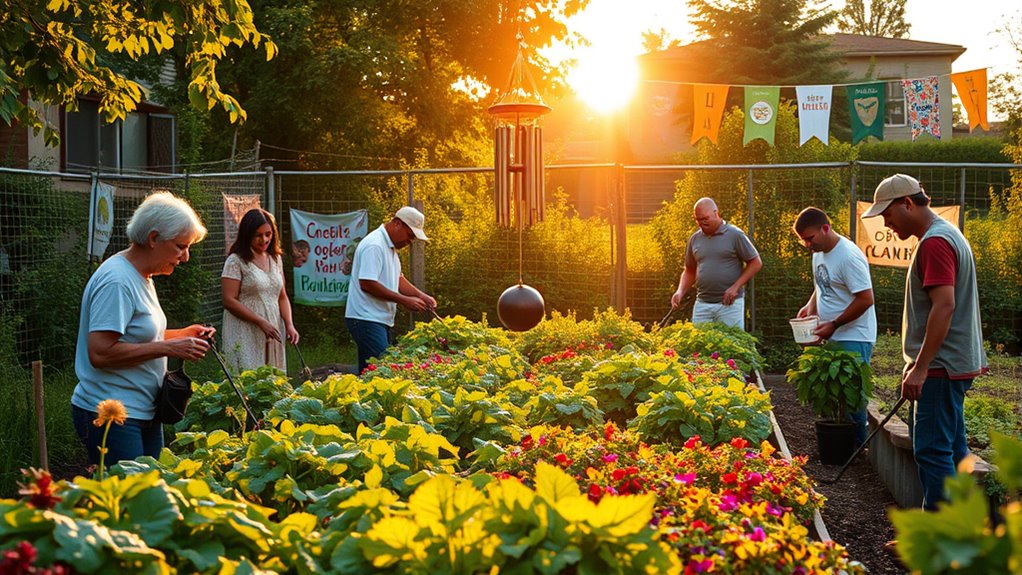
You can create policies that better recognize the value of unpaid labor and social contributions by developing frameworks that measure these often-overlooked assets. Implementing programs that formally acknowledge and support diverse forms of human and social capital encourages more inclusive growth. By doing so, you foster stronger communities and unseal new pathways for sustainable value creation. Incorporating brand trust metrics can further enhance the credibility of these initiatives.
Valuing Unpaid Labor
How can societies accurately measure the often-overlooked contributions of unpaid labor? You can explore methods like:
- Input Approach: Calculating time and resources spent.
- Output Approach: Estimating the value based on market prices for comparable services.
- Time Use Surveys: Gathering data on how much time people dedicate to unpaid activities.
These methods, along with tools like satellite accounts, help integrate unpaid labor into national statistics. Recognizing this work is crucial because it influences economic analysis, addresses gender inequalities, and guides policy decisions. Challenges include data collection, methodological differences, and valuation complexities. By adopting legislative changes, social protections, and economic incentives, societies can better value and incorporate unpaid labor, ensuring its contributions are recognized as essential to social and economic well-being.
Enhancing Social Capital
Recognizing the diverse forms of human and social capital requires integrating them into policy frameworks that reflect their true value. You can support this by promoting community programs like parenting classes and communal events that strengthen social bonds and collective action. Family support services, including counseling and respite care, reinforce social networks and resilience. Youth mentorship initiatives foster social skills and connections among younger generations. Policies emphasizing local responsibility, such as welfare devolution, improve employment outcomes and reduce caseloads. Housing relocation programs like HUD’s Moving to Opportunity create better social environments, boosting children’s educational and economic prospects. By formalizing social norms and encouraging collaboration across sectors, you help embed social capital into everyday life, promoting trust, reciprocity, and community-driven problem-solving that benefit everyone.
Frequently Asked Questions
How Do Unpaid and Community Contributions Influence Overall Economic Well-Being?
Unpaid and community contributions boost your economy by reducing public spending and supporting essential services. When you rely on unpaid caregivers or volunteers, they provide crucial care and services that keep society functioning smoothly, saving governments and businesses money. This hidden work increases productivity, supports healthcare, and enhances overall well-being. Recognizing and valuing these contributions ensures a more accurate picture of economic health and promotes sustainable growth for everyone.
What Policies Can Enhance Workers’ Bargaining Power in Modern Economies?
Imagine your voice as a powerful tool—policies can amplify it. Strengthen minimum wages to give you a firm footing, support unions to unite your efforts, and promote transparent negotiations to boost confidence. By fostering collective bargaining and making it easier to negotiate, these policies build your leverage. When your bargaining power grows, you’re more likely to secure fair pay and better working conditions—your voice truly matters in shaping economic fairness.
How Is Value Created Through Automation Redistributed Across Society?
You see, when automation creates value, society benefits through various redistribution mechanisms. Companies reinvest savings into growth, creating new jobs and lowering prices for consumers. Governments can implement taxes or social programs like UBI to share profits more broadly. Workforce retraining ensures workers shift into new roles, while policies promote fair participation. Overall, automation’s gains can flow back into society, improving economic well-being for everyone.
In What Ways Do ESG Factors Impact Traditional Economic Measurements?
Did you know that companies with high ESG scores often show greater resilience to systemic shocks? ESG factors influence traditional economic measurements by adding transparency and capturing risks beyond financial data, like environmental and social issues. They help improve valuation, reduce regulatory risks, and attract responsible investors. Incorporating ESG metrics shifts focus from just profits to holistic value creation, reflecting long-term sustainability and social impact in financial assessments.
How Can Economic Metrics Better Capture Non-Wage Forms of Value?
You can better capture non-wage value by expanding economic metrics to include benefits like health coverage, job satisfaction, and flexible work conditions. These factors often outweigh wages in importance and influence worker choices. Collect detailed data on non-wage job qualities, incorporate subjective well-being measures, and develop models that reflect worker preferences. Doing so will give a fuller picture of economic value, guiding policies that prioritize quality of life beyond just income.
Conclusion
You might think wages are the only way to measure value, but that’s not true. When you recognize unpaid work, community efforts, and technological innovations, you see a richer picture of contribution. Sure, some argue this dilutes economic focus, but embracing these broader sources of value can lead to fairer policies and more inclusive growth. By expanding our view, you help create a society where everyone’s contribution counts, not just paychecks.