

To work with unions effectively while automating processes, focus on transparency and open communication. Use automation tools to streamline proposals and track agreements, but remember that genuine human interaction builds trust. Be honest about company limitations and listen actively to union concerns. Cultivating a respectful, collaborative culture helps prevent conflicts and fosters strong relationships. If you want to discover how to balance automation with positive union engagement, stay with us to explore proven strategies.
Key Takeaways
- Maintain transparency and open communication to build trust and prevent misunderstandings during automation integration.
- Involve union representatives early in automation planning to address concerns collaboratively.
- Use automation to support, not replace, personal interactions, demonstrating commitment and respect.
- Clearly communicate how automation benefits workers, such as improved conditions or safety, to foster buy-in.
- Foster a cooperative workplace culture through consistent dialogue, mutual respect, and problem-solving approaches.
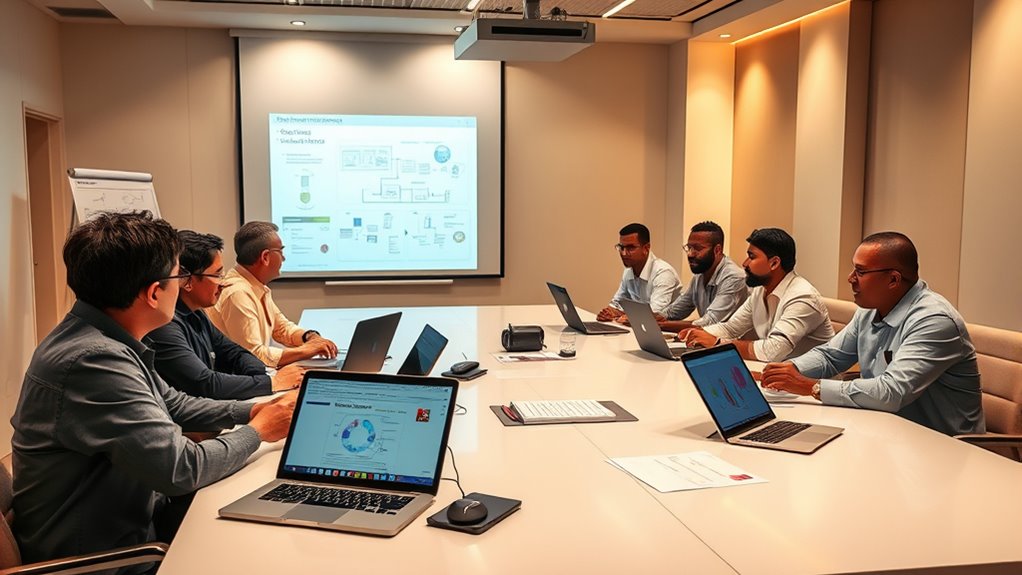
Have you ever wondered how to effectively work with unions to foster a productive and cooperative workplace? Building a strong relationship with union representatives begins with understanding the importance of transparent and respectful employee negotiations. When you approach collective bargaining with an open mind and a willingness to listen, you set the stage for mutual trust. Remember, negotiations aren’t about winning or losing; they’re about finding common ground that benefits both your organization and its employees.
Building trust through transparent, respectful negotiations fosters strong union relationships and a cooperative workplace atmosphere.
During employee negotiations, focus on clear communication. Be honest about what your company can offer and what it cannot. This transparency helps prevent misunderstandings and builds credibility. When union leaders see you’re committed to fair dialogue, they’re more likely to engage constructively. It’s essential to prepare thoroughly beforehand—know your priorities, understand the union’s concerns, and anticipate potential points of contention. This preparation allows you to respond confidently and avoid surprises that could derail discussions.
Collective bargaining is a dynamic process that requires patience and flexibility. Instead of viewing it as a battleground, see it as a collaborative effort to improve working conditions, wages, and benefits. When you approach negotiations with a problem-solving mindset, you foster a cooperative atmosphere. This helps prevent conflicts from escalating and encourages union representatives to work with you rather than against you. Remember that building a positive relationship isn’t just about the current contract; it’s about establishing ongoing communication channels that can resolve issues early before they become major disputes.
Automation can be a helpful tool in streamlining parts of the negotiation process, such as tracking proposals, recording agreements, and managing schedules. However, technology should support, not replace, personal interactions. Maintaining face-to-face or virtual meetings shows your commitment to a respectful partnership. If disagreements arise, address them promptly and constructively. Avoid defensiveness, listen actively, and seek solutions that align with both parties’ interests.
Additionally, understanding projector technology and how it can support presentations and negotiations may enhance communication and clarity during complex discussions. Ultimately, working with unions successfully hinges on your willingness to engage sincerely, communicate openly, and negotiate in good faith. When you prioritize collaboration over confrontation, you create an environment where both management and employees feel valued and heard. This positive approach not only leads to more effective collective bargaining outcomes but also helps cultivate a workplace culture rooted in trust and mutual respect. By balancing automation with genuine human interaction, you can navigate the complexities of union relationships and foster a harmonious and productive workplace environment.
Frequently Asked Questions
How Can Automation Improve Productivity Without Union Resistance?
Automation can boost your productivity by enhancing employee engagement and streamlining workflows through technological integration. When you involve union representatives early, you foster transparency and address concerns, reducing resistance. By demonstrating how automation benefits everyone—like reducing monotonous tasks—you create a collaborative environment. This approach helps you implement new technologies smoothly, improving efficiency without conflict, and ensuring that both your team and union representatives see the value in technological advancements.
What Legal Considerations Exist When Implementing Automated Systems?
Did you know that 78% of companies face legal challenges during automation? When implementing automated systems, you must guarantee legal compliance with labor laws and regulations. This includes transparent communication and fair contract negotiations to prevent disputes. Understanding union agreements and labor rights is vital. By proactively addressing these legal considerations, you reduce risks of conflicts, foster trust, and create a smoother shift to automation that benefits everyone involved.
How Do Unions Typically Respond to Automation Initiatives?
Unions often respond cautiously to automation initiatives, emphasizing the need for union negotiations and collective bargaining to protect workers’ rights. They may raise concerns about job security, fair compensation, and working conditions. You should engage proactively with union representatives, openly discuss automation plans, and be transparent about potential impacts. Building a collaborative approach helps ease tensions, guarantees mutual understanding, and fosters cooperation during the automation shift.
What Training Is Needed for Workers Affected by Automation?
You need to focus on skill development and change management training for workers impacted by automation. Help them learn new skills relevant to evolving roles, ensuring they feel confident and prepared. Incorporate change management strategies to ease shifts, address concerns, and foster acceptance. This approach keeps morale high, reduces resistance, and promotes a smooth adaptation to new technologies, benefitting both employees and your organization overall.
How Can Management Foster Trust During Automation Transitions?
Imagine you’re wielding a sword in a medieval joust—trust is your shield. To foster it during automation, you should prioritize transparent communication and employee engagement. Keep workers informed about changes, listen to their concerns, and involve them in decision-making. This approach builds mutual respect and confidence, ensuring a smoother shift. Acting transparently and engaging employees creates an environment where trust can flourish, even amid technological change.
Conclusion
By understanding union perspectives and fostering open communication, you can automate processes smoothly. Remember, nearly 60% of companies that collaborate with unions report improved employee relations and productivity. Embracing automation without conflict isn’t just possible—it’s beneficial. Keep transparency at the core of your efforts, listen actively, and aim for shared goals. When you do, you’ll build stronger, more resilient partnerships that drive success for everyone involved.