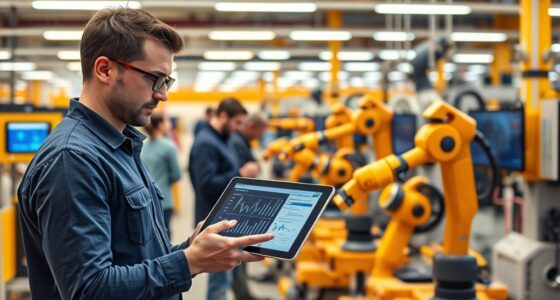
Many headlines exaggerate fears of mass job losses due to automation, but the data tells a different story. While technology transforms industries, it mainly changes roles rather than eliminates jobs entirely. New opportunities emerge as routine tasks get automated, especially when AI development is responsible and gradual. By adapting, reskilling, and focusing on human skills like creativity, you can navigate these changes confidently. To understand how real data shapes this narrative, keep exploring this topic further.
Key Takeaways
- Headlines often exaggerate job loss fears; the actual data shows a more gradual and nuanced employment shift.
- Automation and AI typically transform roles, automating routine tasks while creating new opportunities requiring human oversight.
- Historical data indicates technological advances lead to job transformation, not total displacement, emphasizing skill adaptation.
- Ethical AI development promotes responsible automation, reducing risks of uncontrolled job losses and supporting workforce resilience.
- Embracing automation as an opportunity encourages skill development and growth, countering the often misleading hype of mass unemployment.

In recent months, headlines have fueled fears of massive job losses, often exaggerating the scope and speed of unemployment trends. But when you look at the actual data, the picture isn’t as bleak as some reports suggest. Automation and artificial intelligence are transforming industries, yes, but the narrative that millions will instantly be jobless misses the nuanced reality. Instead of panic, you should focus on how AI ethics and workforce resilience are shaping a future where humans and machines work together, not against each other.
Fears of mass unemployment are exaggerated; AI ethics and resilience foster collaboration, not competition, between humans and machines.
AI ethics plays a vital role here. It’s about ensuring that automation benefits society without causing unnecessary harm. Responsible AI development emphasizes transparency, fairness, and accountability, which helps prevent job displacement from spiraling out of control. When companies prioritize ethical AI, they’re more likely to implement automation gradually and thoughtfully, giving workers time to adapt. This approach boosts workforce resilience—your ability to evolve with changing job requirements and technological shifts. Resilience isn’t just about holding onto a job; it’s about acquiring new skills, shifting roles, and staying relevant in a competitive landscape.
You might worry that automation will eliminate your job overnight, but history shows otherwise. Technological shifts usually lead to job transformation rather than total elimination. For example, as routine tasks become automated, new roles emerge that require human oversight, creativity, and emotional intelligence—areas where machines still lag. Governments, companies, and educational institutions are investing more in reskilling programs, recognizing that workforce resilience is essential for long-term economic stability. This means that instead of fighting automation, you should view it as an opportunity to enhance your skills and adapt to new roles.
The key is understanding that automation isn’t about replacing humans entirely; it’s about augmenting your capabilities. Embracing AI ethics ensures the development of smarter, fairer technologies that support human workers rather than threaten them. Your adaptability and willingness to learn new skills become your best defenses against job displacement. As businesses become more focused on ethical AI, they’re also more inclined to invest in their current workforce, helping you stay ahead of the curve. So, rather than succumbing to fear, see automation as a chance to grow. Your resilience, combined with responsible AI practices, can turn these technological changes into opportunities rather than threats.
A deeper understanding of the data can help dispel myths and provide a clearer picture of how automation genuinely impacts employment.

DOUBLE YOUR INCOME | A Step-by-Step Guide to High-Income Tech Transitions, AI Mastery, and Doubling Your Salary: The Strategic Upskilling Guidebook for High-Income Tech Careers in 2026
As an affiliate, we earn on qualifying purchases.
As an affiliate, we earn on qualifying purchases.
Frequently Asked Questions
How Quickly Is Automation Expected to Replace Human Jobs?
Automation is expected to gradually replace human jobs, with the technological velocity influencing the job displacement pace. You might see some industries experiencing faster changes, but overall, automation‘s impact unfolds over years, not overnight. As technology advances, you should prepare for shifts in the job market, but complete replacement isn’t imminent. Staying adaptable and updating your skills will help you navigate this evolving landscape effectively.
Which Industries Are Most Vulnerable to Automation-Related Job Losses?
Imagine a future where factories hum with robots and checkout lines are silent. You should know that manufacturing faces high vulnerability to automation, with many jobs at risk of being replaced by machines. Retail automation is also expanding, making store roles more susceptible. As these industries evolve, you’ll see technology reshape jobs, but new opportunities will emerge alongside the changes, requiring adaptability and new skills.
How Can Workers Prepare for Automation-Driven Changes?
To prepare for automation-driven changes, you should focus on reskilling initiatives and committing to lifelong learning. Embrace new technologies, develop skills in emerging fields, and stay adaptable. Keep an eye on industry trends, upgrade your expertise regularly, and seek out training programs. By proactively updating your skills, you’ll enhance your job security and remain competitive in an evolving job market.
What Policies Are Effective in Mitigating Automation’s Impact?
To effectively mitigate automation’s impact, you should advocate for policies like Universal Basic Income that provide financial stability and support workers during shifts. Additionally, prioritize expanding Job Training Programs to help you acquire new skills and adapt to changing job demands. These policies guarantee you’re better prepared for automation’s challenges, fostering resilience and enabling you to stay competitive in evolving industries.
Are There Regions More Affected by Automation Than Others?
Certain regions experience more impact from automation due to regional disparities and geographic vulnerability. You’ll find that areas relying heavily on manufacturing or low-skilled jobs face greater disruption, as automation replaces these roles faster. Urban centers with diverse economies tend to be more resilient, while rural or industrial regions may struggle more. Recognizing these differences helps you target policies and support to regions most vulnerable to automation’s effects.

AI Ethics (The MIT Press Essential Knowledge series)
As an affiliate, we earn on qualifying purchases.
As an affiliate, we earn on qualifying purchases.
Conclusion
You’ve probably heard the hype about robots taking all our jobs, but the data paints a different picture. Think of automation like a river—it reshapes the landscape but doesn’t wipe it out. For example, while some roles disappear, new ones emerge, much like how the advent of cars transformed transportation without eliminating all horse-drawn carriages. Stay informed; automation’s true impact is more about adaptation than destruction, shaping a future where humans and technology work side by side.

A Cure for the Common Company: A Well-Being Prescription for a Happier, Healthier, and More Resilient Workforce
As an affiliate, we earn on qualifying purchases.
As an affiliate, we earn on qualifying purchases.
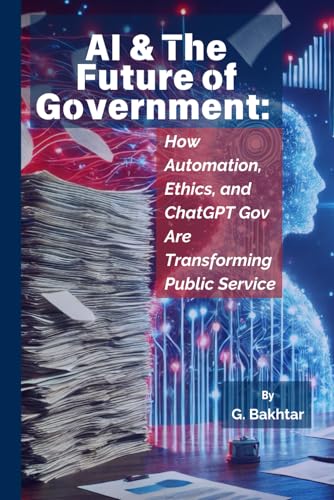
AI & The Future of Government:: How Automation, Ethics, and ChatGPT Gov Are Transforming Public Service (AI in Government – AI in Federal Aquistions)
As an affiliate, we earn on qualifying purchases.
As an affiliate, we earn on qualifying purchases.