
Yes, carbon taxes can fund a universal basic income by generating revenue from carbon pricing strategies. When governments use these funds wisely and transparently, they can support a basic income that helps offset higher energy costs and promotes fairness during the shift to cleaner energy sources. This approach makes climate action more equitable and sustainable for everyone. To discover how effective management and policies can boost this system, keep exploring the details ahead.

Get business pricing on tech for your team
- Business-only prices and quantity discounts
- Tax-exempt purchasing
- Multiple users, one account, clear invoices
Key Takeaways
- Carbon taxes generate revenue that can be allocated to fund universal basic income (UBI).
- Using carbon revenue for UBI promotes fairness and helps offset increased living costs from climate policies.
- Revenue from carbon taxes can support renewable incentives, accelerating clean energy adoption alongside UBI.
- Proper management ensures transparency and effective distribution of funds toward public benefit.
- Implementing climate dividends aligns economic incentives with climate goals, making UBI sustainable and impactful.
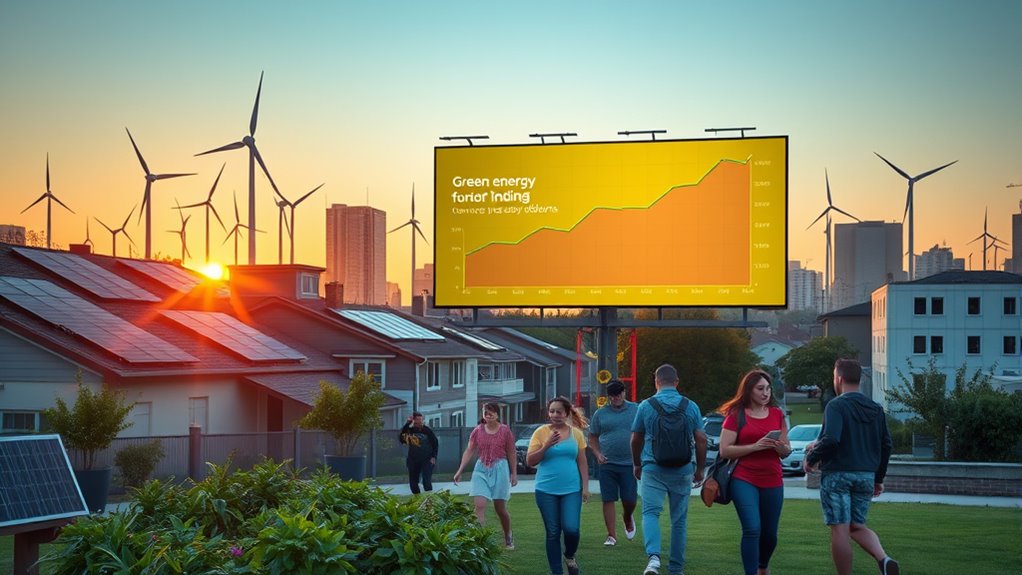
Have you ever wondered how the benefits of tackling climate change can be shared directly with individuals? One promising approach is the idea of a climate dividend—using revenue generated from carbon taxes to support a universal basic income (UBI). This concept hinges on the fact that by putting a price on carbon, you can create a financial incentive for reducing emissions while simultaneously redistributing wealth. When governments implement carbon pricing strategies, they collect revenue that can be used in various ways, but allocating some of it as a dividend ensures that everyone benefits from the transition to a cleaner economy. This method not only encourages individuals and businesses to cut their carbon footprint but also offers a safety net to those who might be most affected by the shift away from fossil fuels.
Incentivizing renewable energy is vital to making this work. Governments can offer renewable incentives—such as tax credits or subsidies—to accelerate the adoption of clean energy sources like solar and wind. These incentives make renewable options more affordable and attractive, speeding up the transition away from carbon-intensive fuels. The revenue from carbon taxes can complement these incentives by funding a universal basic income, which provides a steady financial boost to citizens, especially those in vulnerable communities. As you receive this dividend, it helps offset the costs associated with the higher prices on carbon emissions, effectively making the transition fairer and more equitable. Additionally, implementing transparent and effective carbon revenue management ensures that the funds are used efficiently to maximize public benefit.
As an affiliate, we earn on qualifying purchases.
Frequently Asked Questions
How Would Implementing a Climate Dividend Impact Global Economic Inequality?
Implementing a climate dividend can reduce global economic inequality by promoting income redistribution, helping those most affected by climate change and economic disparities. You’d see wealth disparity diminish as funds from carbon taxes support a universal basic income, providing financial stability for vulnerable populations. This approach encourages fairness, ensuring that the benefits of green policies reach everyone, ultimately fostering a more equitable global economy and narrowing income gaps.
What Are the Potential Political Challenges of Establishing a Universal Basic Income Funded by Carbon Taxes?
You’ll face political resistance and policy complexity when establishing a universal basic income funded by carbon taxes. Opponents may argue it increases government intervention or burdens industries, making bipartisan support difficult. Additionally, creating a clear, fair policy is complex, requiring careful design to address economic disparities and environmental goals. Overcoming these challenges demands strong consensus-building, transparent communication, and adaptable policies that balance environmental and social priorities effectively.
How Might Climate Dividends Influence Individual Behavior Toward Carbon Emissions?
Imagine a world where every dollar you receive from climate dividends acts like a gentle nudge, guiding your choices. This financial boost encourages behavior change by making emission reduction efforts more rewarding. When you see your climate dividend grow, you’re more likely to adopt eco-friendly habits, knowing your actions directly impact your income. These dividends create a positive feedback loop, motivating you to cut emissions and embrace sustainable living.
Are There Successful Case Studies of Carbon Taxes Funding Social Welfare Programs?
Yes, some countries have successfully used carbon taxes to fund social welfare programs. For example, British Columbia’s carbon tax supports renewable incentives and benefits low-income households. You can see how a strong carbon market enables revenue collection, which then funds social programs like healthcare and education. These case studies demonstrate that implementing effective carbon taxes can simultaneously reduce emissions and bolster social welfare initiatives.
What Legal Hurdles Could Prevent the Adoption of Climate Dividends Worldwide?
You might face legal hurdles like conflicts with international treaties that limit emissions or carbon pricing policies. Sovereign rights also come into play, as countries may resist external mandates or restrictions on their resource management. These legal issues can slow or block the adoption of climate dividends worldwide, especially if nations perceive such policies as infringing on their sovereignty or conflicting with existing agreements. Addressing these hurdles requires diplomatic negotiation and alignment of international and national laws.
As an affiliate, we earn on qualifying purchases.
Conclusion
Imagine yourself as the hero in a story where the climate crisis is the dragon, and a carbon tax is the brave knight. By channeling these funds into a universal basic income, you could help tame the beast and build a fairer world. Just like Robin Hood, this approach redistributes wealth from those who pollute to those who need it most. Together, you can turn the tide—making sustainability and equity your greatest victory.
universal basic income support products
As an affiliate, we earn on qualifying purchases.
As an affiliate, we earn on qualifying purchases.
As an affiliate, we earn on qualifying purchases.
Evergreen bestsellers Picks
bestsellers
As an affiliate, we earn on qualifying purchases.